


Category shift
Women-first streetwear
At launch, Baby Phat did not ask women to filter themselves through a menswear template first.
Femininity was in the main frame, not added after the fact.
History of Baby Phat
Baby Phat launched in 1999 and made the pitch in plain sight: fitted baby tees, denim cut for women, velour, flash, and a runway presence built to be seen.
This page follows the line from launch to return, then gets into why the clothes, the images, and the attitude still stick.
Setting the scene
The brand worked because the clothes were easy to read at a glance. A fitted tee, low-rise denim, glossy outerwear, the cat logo, cameras everywhere: you knew the world immediately.
That clarity is why the archive still feels alive. It doesn’t need a long explanation to register.
Category shift
At launch, Baby Phat did not ask women to filter themselves through a menswear template first.
Femininity was in the main frame, not added after the fact.
Runway world
The shows read like events, not quiet trade presentations, and the culture around them was part of the point.
Scale, celebrity, and gloss made the case louder.
Style language
The silhouettes and fabric choices landed fast because they came with a full attitude: polished, loud, and hard to miss.
Even the basics looked like they belonged to a bigger world.
Cultural impact
The brand widened who got centered in street-luxury imagery, especially women of color and curvier women who were often pushed to the side elsewhere.
People remember the look, but they also remember who got to wear it.
Chaptered timeline
Start with the 1999 launch, move through the runway years, then land on the 2019 return. The throughline stays the same: women, denim, glamour, logo confidence, and public presence.
The 1999 launch made the split clear right away. This was streetwear built for women on purpose, not an adapted version of somebody else’s uniform.
The early mix did the work fast: fitted baby tees, low-rise denim, logo hits, and styling that treated glamour as the point, not the apology.
From day one, the brand argued that women’s streetwear could be direct, sexy, and fully self-defined.
Jump to archive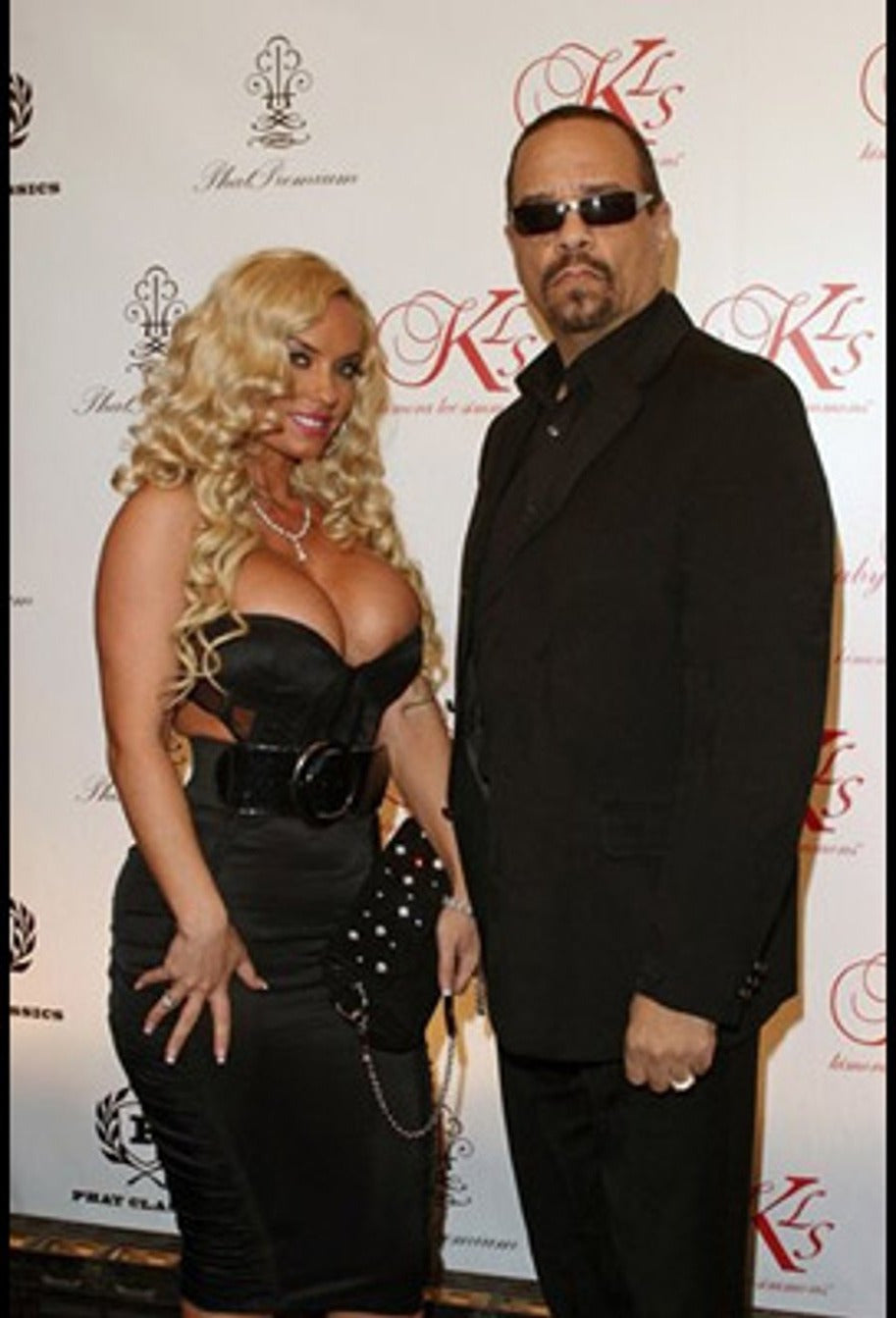
The runway pictures already show the mix that made the label stick: polish, skin, denim, and a camera-ready finish.
By 2000 to 2004, Baby Phat had moved past launch buzz and into mass visibility. The shows were bigger, the celebrity wear was constant, and the name kept landing in front of the public.
This is the stretch where the label stopped reading like a side story and started reading like part of the decade itself.
Baby Phat did not sit next to 2000s fashion. It helped define the look of the period.
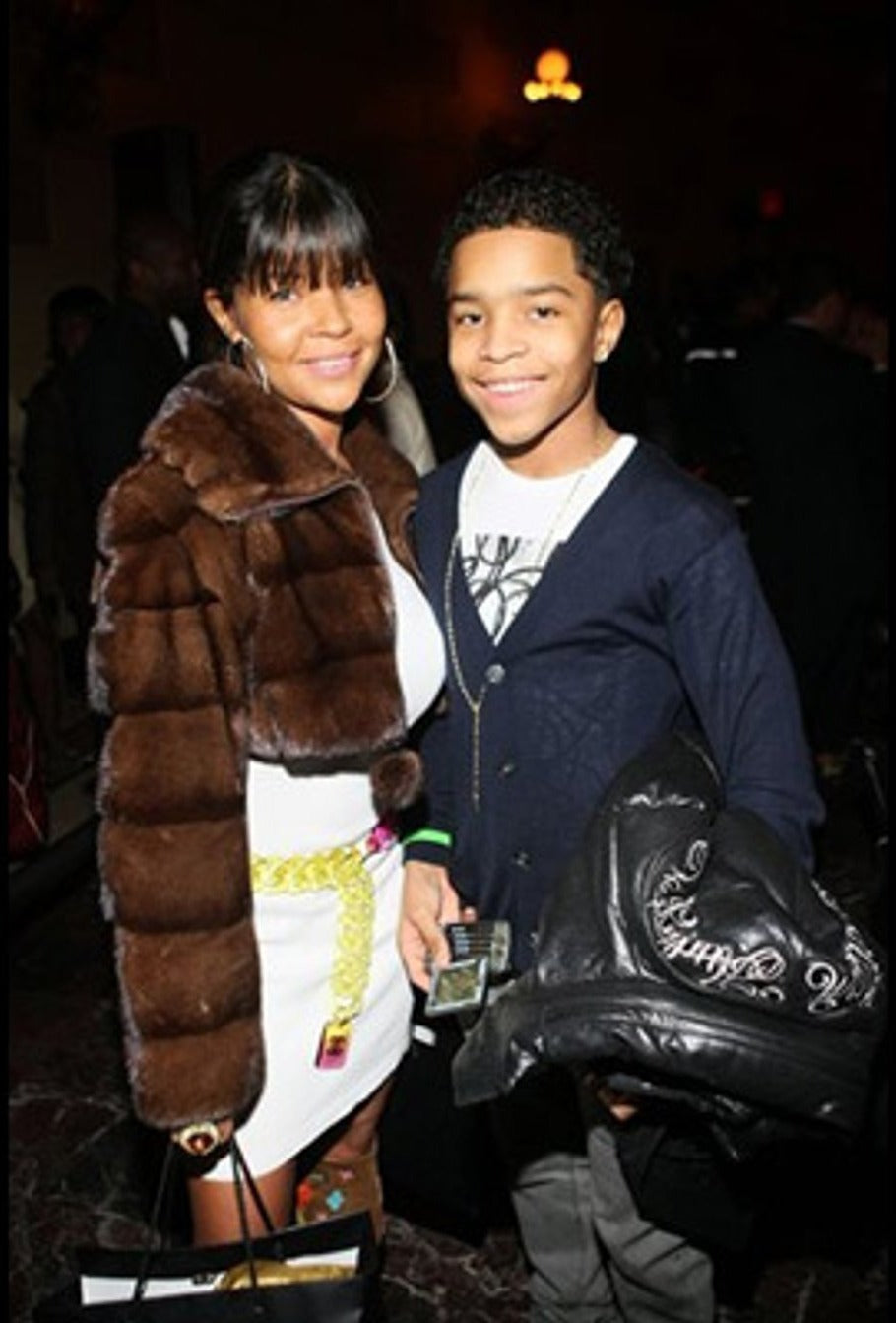
By the early 2000s, the brand knew how to stage itself at full size.
By 2005 to 2008, the brand was no longer hanging on one hero item. Denim, velour, outerwear, baby tees, and logo pieces all carried the same charge.
The strength was the repeatability. You could spot the code from across a room and know exactly what world it came from.
Baby Phat turned glamour into something people could wear on an ordinary day and still make feel loud.
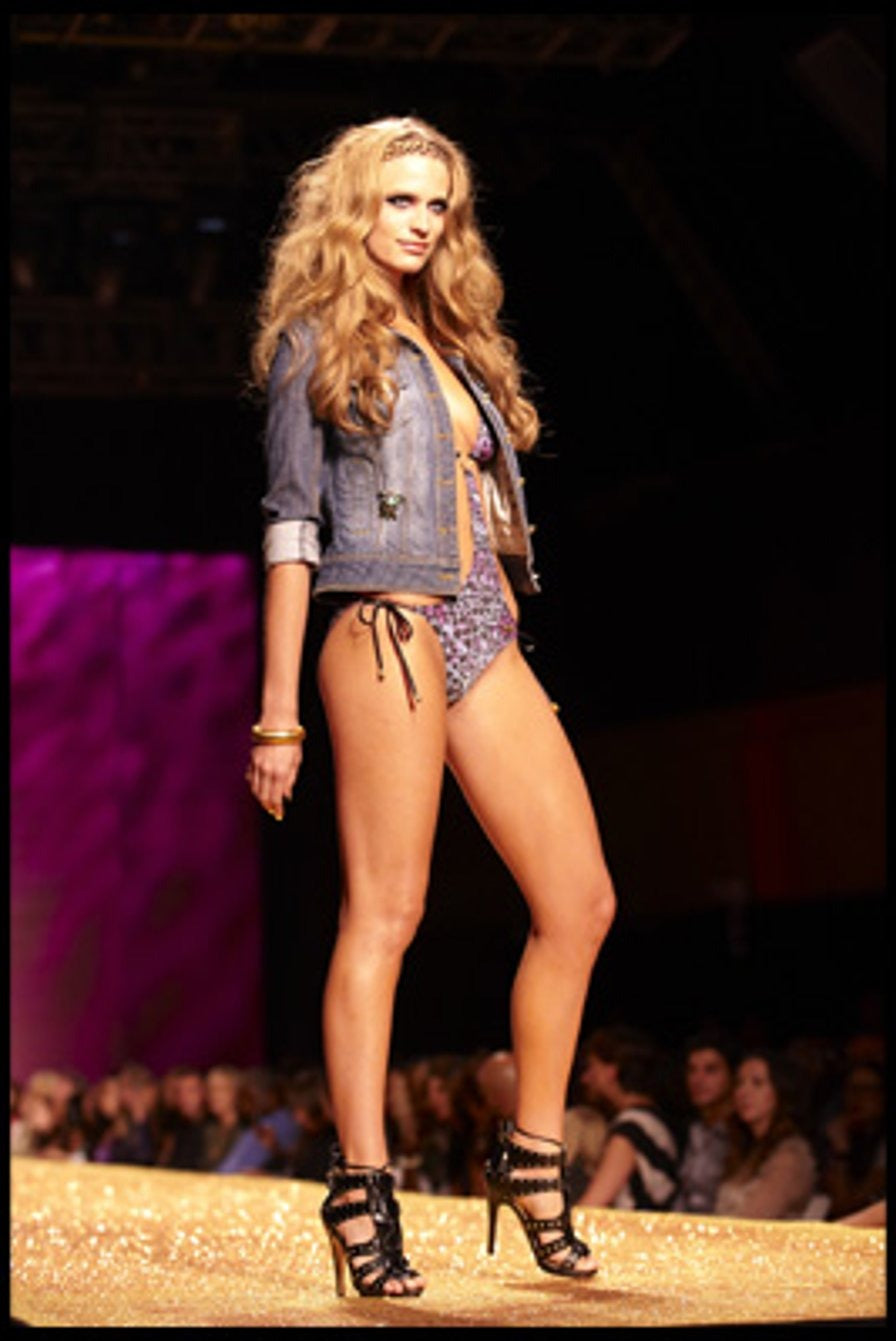
The clothes worked together as a system, not a one-season trick.
Baby Phat kept putting women at the center, especially women of color and curvier women who were too often pushed to the side in fashion marketing.
That choice was not background decoration. It was part of the appeal, and part of why the archive still hits harder than a generic Y2K mood board.
People remember the styling, but they also remember who got to be visible inside it.
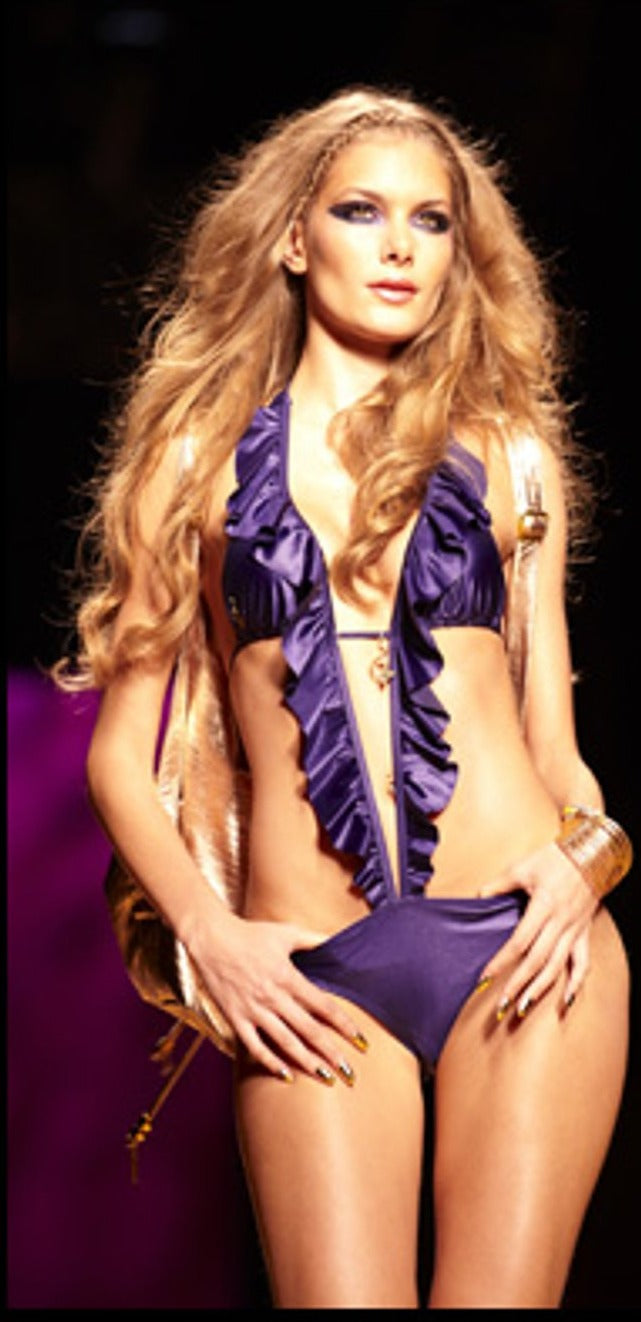
The archive still carries force because the frame itself felt different.
By 2010, the label had stepped back from its earlier peak, but the visual memory did not leave with it.
The clothes stayed in closets, resale, editorials, and the wider memory of the decade. The name still meant something even when the product cycle slowed.
The pause separated short-term sales from long-term recall.
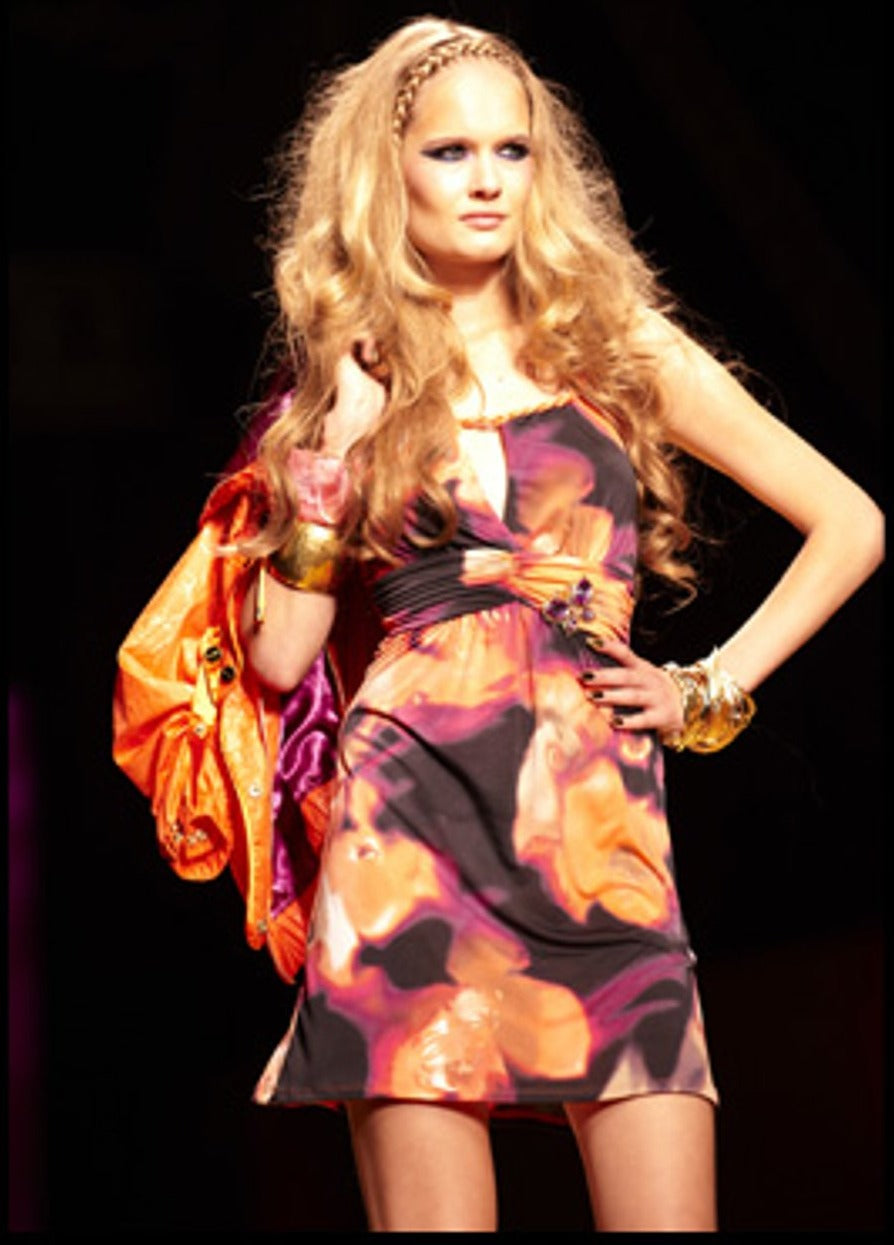
The archive kept doing work long after the loudest years had passed.
The 2019 relaunch made a simple argument: Baby Phat was bigger than nostalgia, and a new generation could meet the brand without the original one disappearing.
The strongest return does not pretend the old years never happened. It keeps the old confidence in view and lets the archive do part of the talking.
The comeback works best when the history stays live instead of getting trapped behind glass.
See why it still matters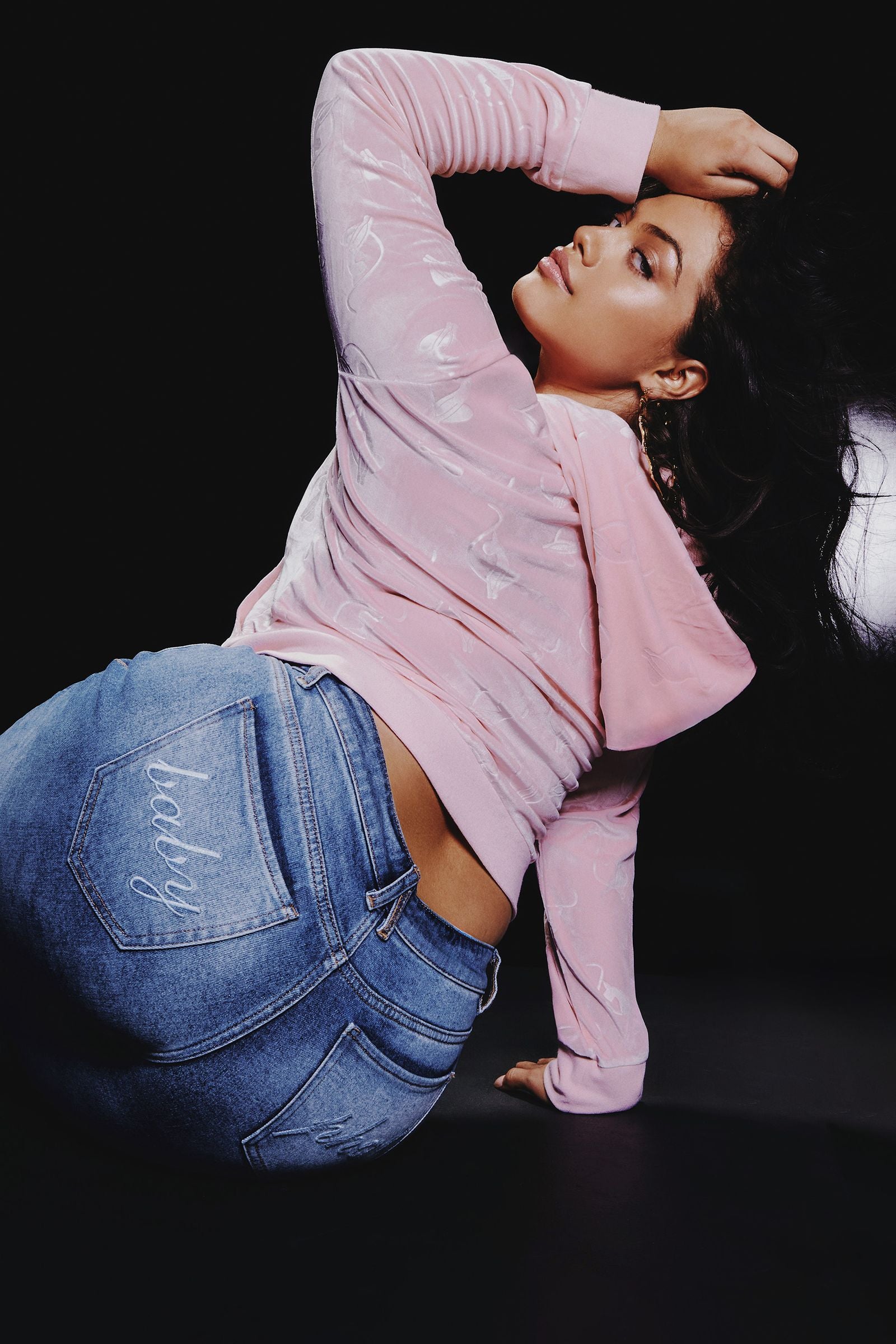
The new editorial framing works because the old identity still reads fast.
Why it landed
That thread runs through the whole page, from the first runway years to the return era.
Archive in view
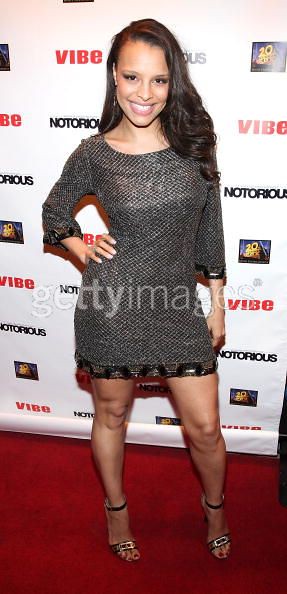
These images show how the label moved in public: red carpets, nightlife, editorial spreads, and the kind of styling that stuck in memory.
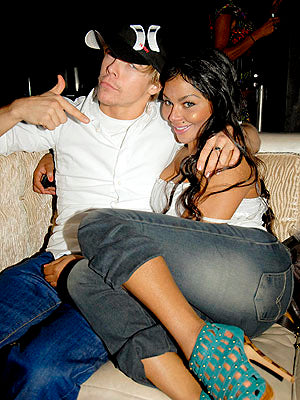
Celebrity visibility
The brand did not live only on the runway. It kept appearing in celebrity style, nightlife, and public moments that turned clothes into memory.
That reach is part of why the name still feels bigger than a single trend cycle.
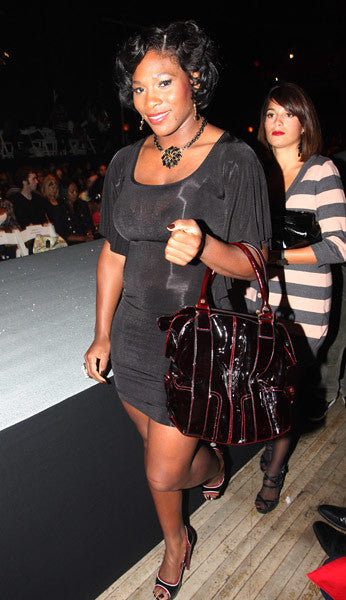
Nightlife and glamour
The archive keeps returning to gloss, flash, and nightlife energy, but the clothes still read as made for women first.
Recognition factor
Logo, silhouette, styling, and attitude worked together so quickly that people could identify the world in a single glance.

Lasting memory
The images do not feel buried. They still slot easily into current conversations about Y2K style, women’s streetwear, and fashion memory.
Culture and legacy
Baby Phat still matters because the brand changed the picture, not just the product. It made room for a louder, more glamorous version of women’s streetwear, and you can still see the echo in today’s denim, logo play, and Y2K references.
Vogue
Coverage of the return era and the fact that the Baby Phat name still carried weight well after the first run.
Fashionista
Attention on the runway years and how the brand gave women a different streetwear proposition.
Dazed
Discussion of representation, image-making, and why the archive still means more than recycled nostalgia.
Complex
Streetwear memory, logo power, and why the relaunch had a built-in audience.
Essence
The scale of the public image around the brand, especially when the runway years were at full volume.
Refinery29
Why the brand still matters in any conversation about women, streetwear, and early-2000s cultural memory.
The story continues
The current collection works best when it keeps one thing from the archive intact: clothes that know how to announce themselves.